
The Universal Garden | Thoughtful Gardening with Andy Brook
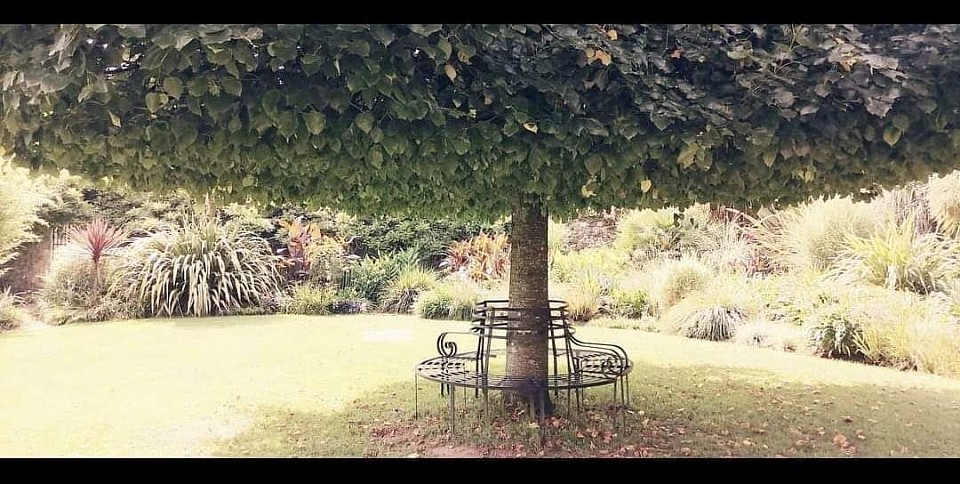
11 04 2026 The Living Laboratory: Mottistone Manor Gardens, Isle of Wight
Mottistone Manor is a place where deep history meets a bold, experimental future. While the manor itself is contemporaneous to the Domesday Book of 1086, the grounds surrounding this National Trust gem are at the forefront of sustainable garden design. For the curious gardener, Mottistone offers the perfect "contemplatory spot"—a lush, quiet canopy that invites visitors to witness the future of climate-adaptive horticulture
A Sicilian Legacy of Drought-Tolerant Planting
The garden’s modern identity began in the 1960s with Lady Vivien Nicholson. Drawing on her Sicilian upbringing, she introduced terracotta, stone walling, and terracing. These Mediterranean bones did more than just look beautiful; they created a unique microclimate that naturally favoured drought-resistant species, setting the stage for Mottistone’s role as an ecological pioneer
The Turning Point: A Climate Change Garden
2005 marked a pivotal shift when the National Trust officially designated Mottistone as a "Climate Change Garden." The team embarked on a formal experiment, planting UK-hardy olive groves and Southern Hemisphere species to test which plants could thrive in a warming climate without supplemental watering
Walking through the lower gardens today, you’ll see the evolution of this living laboratory. Large areas are now home to ornamental grasses and resilient Mediterranean perennials, designed to remain vibrant through long, dry summers while supporting local biodiversity
Why Mottistone is at the Leading Edge
For those interested in future-proofing their own outdoor spaces, Mottistone serves as a primary "test bed" for several reasons:
Intentional Evolution: Unlike many Tudor settings that attempt to freeze time, Mottistone is allowed to evolve. It prioritises climate resilience over rigid tradition, making it a rare, forward-looking sanctuary
Zonal Shifting: By utilising the sheltered, south-facing valley, the gardeners are actively mapping the future of British planting schemes.
Low-Input Gardening: Mottistone was one of the first major heritage sites to swap water-heavy herbaceous borders for low-maintenance, water-wise schemes that rely almost entirely on natural rainfall
A Blueprint for the Modern, Sustainable Garden
Mottistone’s philosophy echoes the "right plant, right place" rule championed by Beth Chatto. It has become a vital blueprint for home gardeners looking to maintain a lush aesthetic without the use of hosepipes. However, being at the forefront of climate change means facing its contradictions. While designed for drought, the garden has recently navigated the challenges of flash flooding. Designers are now looking to Mottistone to see how climate-resistant gardens can manage water capture and drainage just as effectively as they handle heat
Plan Your Visit
Today, Mottistone Manor Gardens stands not as a relic of the past, but as a vibrant prototype for 21st-century resilient gardening. It is a must-visit for anyone interested in the intersection of heritage architecture and modern ecology.
The Living Laboratory continues... and it’s well worth seeing for yourself
Find it here on Google Maps: https://maps.app.goo.gl/otdZDcCEDAQLeR546?g_st=ac
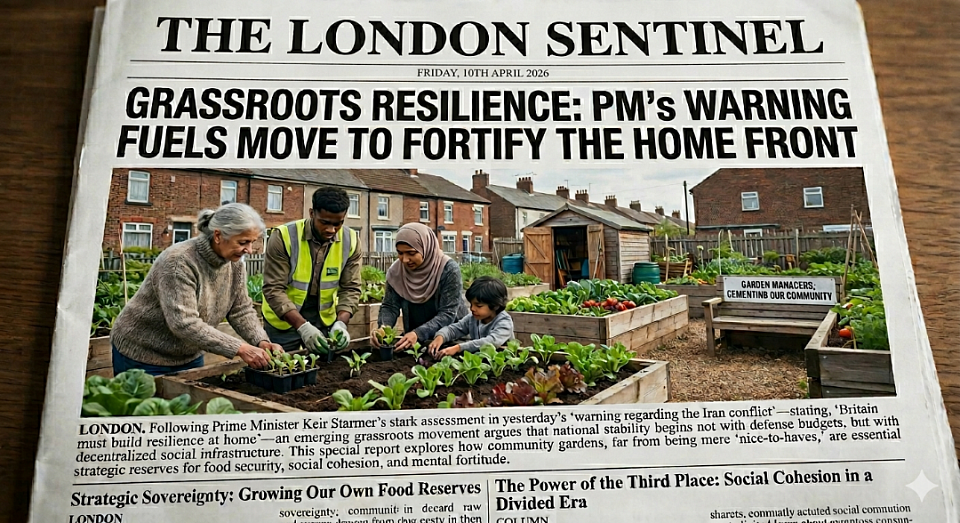
10 04 2026 Community Gardens: Britain's Secret Weapon for Grassroots Resilience
In a recent Guardian article regarding the ongoing conflict, Prime Minister Keir Starmer issued a stark reminder: "The Iran war is a warning: Britain must build resilience – at home and with our allies in Europe."
While "resilience" is often discussed in the corridors of Westminster in terms of defence budgets and energy grids, my experience helping to setup, manage, and sustain community gardens has taught me that true national stability begins at the grassroots level
Community gardens are more than just plots of land for growing vegetables; they are vital "social infrastructure." Here are five ways these spaces fortify the "home front" resilience the PM is calling for:
1. Strategic Food Sovereignty
Geopolitical conflict disrupts global supply chains. Every calorie grown locally is one less we need to import. By expanding community gardens, we create a decentralised food reserve and ensure neighbourhoods have the skills to supplement their own food supply during global shocks
2. Mental Well-being & "Digital Detox"
National resilience requires a mentally healthy population. Nature has a documented restorative effect, lowering cortisol and alleviating anxiety. In an era of 24/7 news cycles and "doomscrolling," gardens provide a necessary space for mindfulness and physical recovery
3. Social Cohesion as Civil Defence
External threats are most dangerous to a divided society. Gardens are "third places" where diverse groups—across socioeconomic and generational lines—interact. This builds the local trust and cooperation essential for keeping a society stable during times of national stress
4. Environmental Stewardship
Resilience is inseparable from climate stability. Gardens combat the "urban heat island" effect, support vital pollinators, and manage stormwater to prevent localised flooding, protecting our local infrastructure without massive state intervention
5. Civic Empowerment & Leadership
Managing a garden builds "civic muscles." It’s where residents learn to organise, manage shared resources, and advocate for their neighbourhoods. This grassroots democracy creates active citizens who are ready to lead and adapt when challenges arise
I’ve seen firsthand how a derelict area, when transformed into a garden, gives a community a sense of agency. We aren't just growing carrots; we are growing the social fabric of Britain
I’d love to hear your thoughts:
How are you building resilience in your own local area? Do you see community spaces as a "nice-to-have" or a strategic necessity for our future?
#CommunityGardens #Resilience #SocialImpact #Sustainability #KeirStarmer #CivicEngagement
"Welcome to the Universal Garden: Why We Grow."
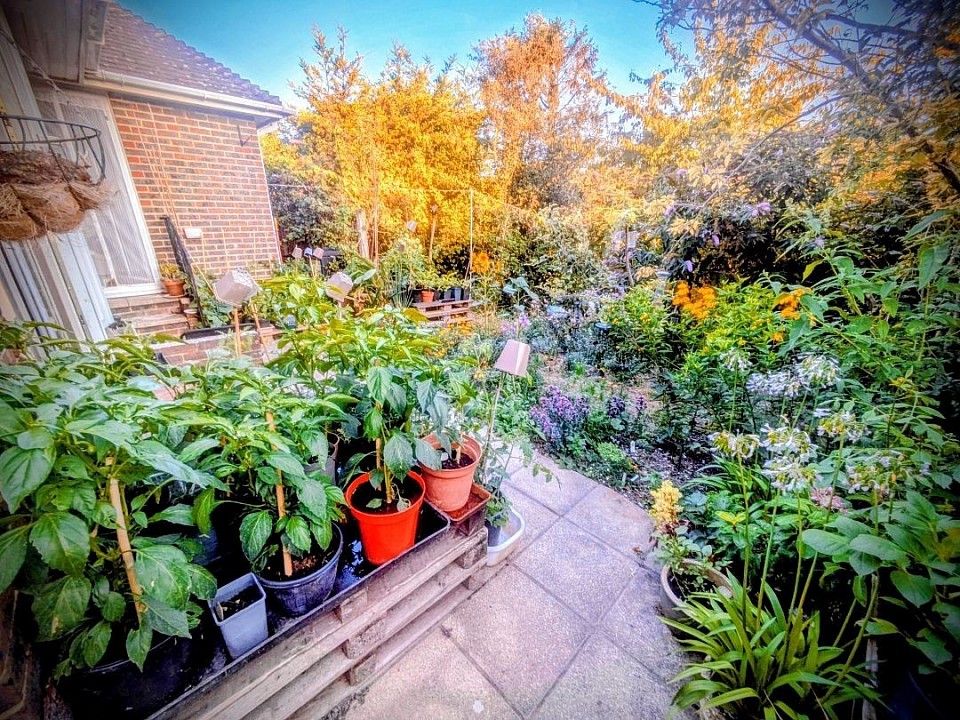
The Universal Garden is more than just a collection of plants; it is a celebration of our shared humanity. Through the lens of Thoughtful Gardening, we explore why people across the world are drawn to the soil. Whether in a bustling city or a quiet village, the act of nurturing nature is a powerful source of resilience and hope.
This project is a journey to find common ground. By observing the quiet rhythms of growth, we discover how gardening nurtures the soul and enriches lives across every border. I invite you to join this global gardening community as we share stories of healing, purpose, and the universal joy of watching life bloom.
Thanks for being part of this journey. Let’s see what we can grow together.