
The Music Room | Finding the Rhythm of the Universal Garden

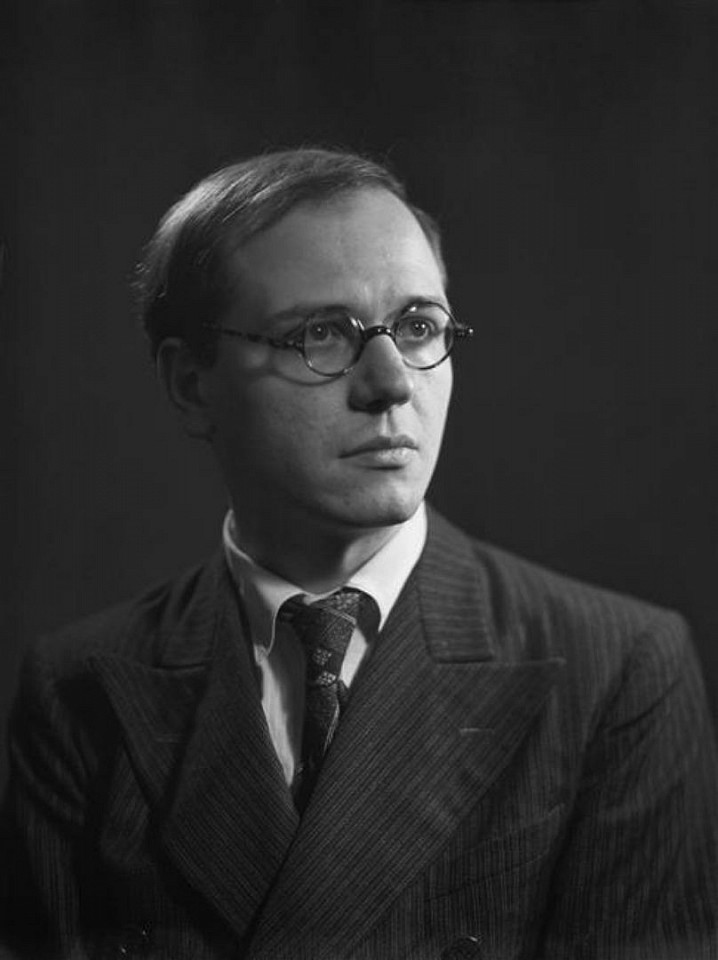
The Alchemist of Sound: Olivier Messiaen’s Visionary World
Olivier Messiaen did not merely compose music; he curated light, time, and the very breath of the natural world. A titan of 20th-century composition, a transformative teacher, and a profound analyst of style, Messiaen remains a figure whose work transcends the traditional boundaries of the concert hall
Born in Avignon in 1908, he ascended quickly within the ranks of French classical music, yet his spirit was too vast for the academy alone. He was a sonic traveler, an artist who looked eastward to the rhythms of India and Japan, and upward toward the divine. From the jagged beauty of the American West to the humble sermons of St. Francis of Assisi, Messiaen’s output was a synthesis of everything he touched, saw, and heard
The Symphony of Sight: Chromesthesia
At the core of Messiaen’s genius lay a "physiological necessity": Chromesthesia. For him, a chord was never just a mathematical stack of notes; it was a physical explosion of hue. He navigated a world where sound, shape, and movement were inextricably linked
"Whenever I hear music, and even when I read it, I see colours in my mind’s eye that move with the music... This is not an image, it is not a hallucination, it is a reality."
To step into his music is to step into a cathedral of shifting light. This kaleidoscopic vision is most vividly realised in three of his defining masterworks:
1. Quatuor pour la fin du temps (Quartet for the End of Time), 1941
Conceived in the bleakest of circumstances—within the frozen confines of Stalag VIII-A as a prisoner of war—this quartet is a triumph of the spirit over the material. In the piano score, Messiaen famously demands "blue-orange" chords. These are not mere poetic descriptions; they are precise instructions to achieve the vibrating resonance of complementary colours. Through this harmony, Messiaen sought to evoke the celestial rainbow encircling the Angel of the Apocalypse, effectively using sound to dissolve the barbed wire surrounding him
2. Couleurs de la Cité Céleste (Colours of the Celestial City), 1963
If the Quartet was a glimpse of the divine, this work is a direct immersion into it. Structured around the vibrant descriptions of the New Jerusalem in the Book of Revelation, the score is explicitly labeled with precious stones: topaz-yellow, emerald green, and sardonyx. Messiaen intended the ensemble to function as a sonic stained-glass window. As the music unfolds, sound acts as the light passing through the "glass" of his complex harmonies, bathing the listener in a spiritual, multi-colored glow
3. Des Canyons aux Étoiles... (From the Canyons to the Stars...), 1974
Commissioned to celebrate the American Bicentennial, this work was born from the monumental landscapes of Bryce Canyon, Utah. Here, the literal and the spiritual converged. Messiaen utilised specific brass and woodwind combinations to recreate the "orange-red" and "violet-pink" of the ancient canyon walls. In this vast desert, the physical pigment of the earth and the intellectual rigor of his "modes of limited transposition" became one. He was no longer just describing a landscape; he was vibrating in sympathy with it
The Weight of Light
Ultimately, to engage with Messiaen is to accept that harmony is a physical entity. For him, a chord possessed weight, texture, and brilliance. He taught us that birdsong is the true music of the spheres and that the ultimate purpose of art is to provide a "dazzlement"—a moment where the listener is so overwhelmed by the beauty of the sound-colour that they catch a fleeting glimpse of the eternal.
The Energy of Sound: Amplifying Resilience

The Music Room: Welcome
"Welcome to a space where melody meets the soul. I’ve always believed that music, much like a garden, is a universal language—it requires patience to cultivate, but it has the power to heal across every border.
Music is more than just sound; it is a tool for resilience. When life feels chaotic, a steady rhythm or a familiar melody can anchor us, helping our minds find the strength to reset and persevere. It gives us a way to process the unspoken and the energy to stand back up when we are weary.
In The Music Room, I share the rhythms and compositions that provide a soundtrack to our shared human experience. Whether it’s a quiet piece for reflection or a rhythm that celebrates our global resilience, I invite you to listen, linger, and find your own tempo within The Universal Garden."
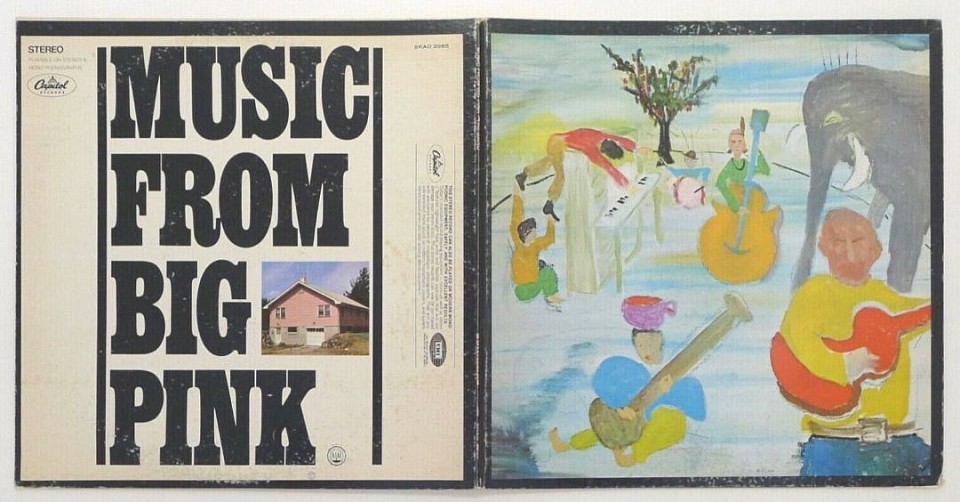
The Band: Music from Big Pink (1968)
"This album was recorded in approximately two weeks. There are people who will work their lives away in vain and not touch it." — Al Kooper
Bob Dylan’s 1966 motorcycle accident was a pivotal fracture in the timeline of rock and roll. Physically, it forced a period of seclusion that allowed for a rare kind of introspection. For his backing band, The Hawks, it was a metamorphosis. Now effectively jobless and tucked away in the woods of Upstate New York, they began a cathartic period of creation in a charming, salmon-colored country house called Big Pink.
The Metamorphosis: From The Hawks to The Band
While Dylan was drafting the sparse, stripped-down tracks of John Wesley Harding, something wonderful was happening in the basement of that house. Rick, Levon, Garth, Richard, and Robbie—consummate musicians who had learned their trade on the relentless road—began to articulate a sense of America’s vastness, history, and people. Under the guidance of producer John Simon, they stepped out of Dylan’s slipstream and asserted their own identity. Americana was arriving, and rock music would never be the same.
The Sound: An Architecture of Authenticity
In a year (1968) dominated by psychedelic distortion, Music from Big Pink sounded like it had been pulled directly out of the soil. It epitomized musical versatility, blending folk, rock, country, and blues with unparalleled skill. You can hear the "wooden" spirit of the house in the recording—the dry thud of the drums and the church-like swell of the organ.
The Standout Tracks
"The Weight": Featuring some of the greatest opening lyrics in rock music ("I pulled into Nazareth, was feelin' 'bout half past dead..."), this track became a mythic journey. From its inclusion in Easy Rider to their legendary Woodstock set, the song secured their immortality. It feels as sturdy and weathered as a South Downs flint wall. "Chest Fever": A display of Garth Hudson’s sheer musicianship, where Bach-inspired organ flourishes meet raw, rhythmic energy. "I Shall Be Released": Dylan gifted the group one of his greatest compositions to close the album. Richard Manuel’s fragile falsetto transforms it into a profound meditation on the eventual light of freedom.
Legacy
The Band remains pivotal in the canon of musical history. They were evocative storytellers who understood that authenticity is more powerful than volume. They proved that sometimes, by retreating from the noise, you find a sound that resonates across generations.
"Thanks for stopping by the Music Room! I’m always curious to hear how these sounds and reflections land with others. Please share your thoughts, critiques, or inspirations in the comments below."
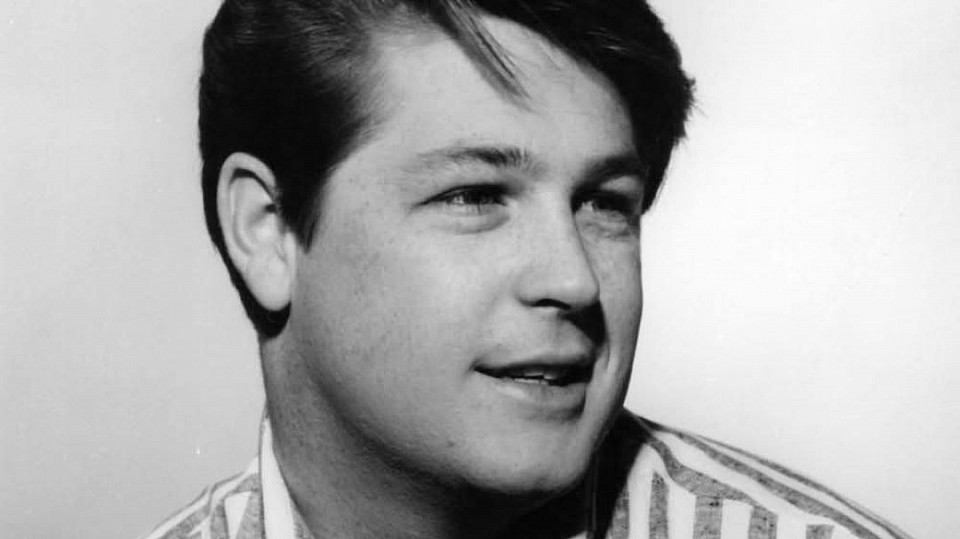
The Artistic & Groovy Vibe: The Maestro of the Waves: Remembering the Visionary Genius of Brian Wilson
Just as the 'bones' of a winter bridleway reveal the hidden structure of the landscape, the music of Brian Wilson uncovers the complex, often fragile architecture of the human spirit
A wave of silence washed over the music world with the passing of the legendary Brian Wilson on June 11, 2025. As the visionary heart and soul of The Beach Boys, his influence on popular music is immeasurable.
Wilson was a pioneering auteur who saw the recording studio not just as a space for performance, but as an instrument itself. His innovations in modular recording, intricate vocal layering, and orchestral arrangements—culminating in masterpieces like Pet Sounds and "Good Vibrations"—helped elevate pop music from simple entertainment to an art form. He challenged contemporaries like The Beatles and inspired generations of artists, forever cementing his place as one of the most significant and gentle geniuses in modern musical history.
Brian Wilson was the definitive creative force behind The Beach Boys, and his legacy is inextricably linked to their iconic sound. From the sun-drenched anthems of "Surfin' U.S.A." and "I Get Around" to the introspective, complex beauty of "God Only Knows," he penned and produced the soundtrack of an era. His gift for melody and his complex, yet uniquely affecting, harmonies are what set the group apart. Even through his well-documented personal struggles, the sheer brilliance of his compositions ensured that The Beach Boys’ work would endure as a canonical part of the American experience, transcending mere nostalgia to become timeless pieces of art.
Beyond the accolades and the genius label, Brian is remembered as a profoundly kind, humble, and open-hearted person. He was a man who, despite the weight of his talent and the pressures he faced, continued to connect with fans and peers through the sheer generosity of his spirit. The outpouring of love from fellow musicians, family, and fans following his passing is a testament to the fact that his legacy is not just the music, but the palpable sense of "Love & Mercy" he brought to the world. We are at a loss for words, but forever grateful for the beautiful music he left behind. Rest in peace, maestro.
"Thanks for stopping by the Music Room! I’m always curious to hear how these sounds and reflections land with others. Please share your thoughts, critiques, or inspirations in the comments below."